

Literally, what is pain?
One of my many experiences with lower back pain after exercising over the years
By Benny Drescher

Recently, I got sick with a cold. A runny nose cold—but really runny. It was an endless river, actually.
Then, for a day, it got flu-like: there were multiple periods of several hours each day when I had that dizzy, foggy body-rush of a fever, with a dull to occasionally biting headache.
I was also two weeks into a flare-up of lower back pain after exercising. After deadlifting heavier than ever before, my back felt tight and uneven. I started worrying about having overdone it. A few days in, the tightness shifted into a disc-y lumbar-misaligned-joint kind of pain. In my mind, I saw the pain as a misalignment regression. Looking back, I wish I had named it a ‘flare-up.’ That would have been a much healthier choice.
Two weeks later, my lower back pain was improving—a fun night of dancing with friends may have helped—but then I caught that cold. At the peak of my illness, my back pain was even worse than before the night with friends. Most positions in bed hurt, and putting on pants was a challenge. Each sneeze dealt sharp lumbar pain.
In my mind, I saw the pain as a misalignment regression. Looking back, I wish I had named it a ‘flare-up.’ That would have been a much healthier choice.

Remarkably, the next afternoon, things were better. My energy was stable, the nose-river was clearing, and my back was even less sensitive than it had been the morning after the night with friends.
Why such a rollercoaster in two days? Was it because I was finally over the hump of my cold and no longer systemically inflamed and sensitive? Was it because of the very relief of that? Was it because it was a sunny day, the first sunny day that week? Was it because I had called my brother and dad, and had had a present, peaceful, and fulfilling call with the two of them and my brother’s family? Or was it because I had just scheduled an appointment with a new pain coach who I was excited to meet, work with, and learn from?
Knowing pain science, we can’t tout just one factor to explain why my flared-up lower back pain got better on that particular day.
Was it simply destined to take three weeks, regardless of what else was going on? Frankly, I don’t think so. Knowing pain science, we can’t tout just one factor to explain why my flared-up lower back pain got better on that particular day. It got better on that particular day because of the combination of all of the reasons together:
The true biophysical nature of lower back pain, and all pain, is as astonishingly complex and dynamic as the many unique and beautiful combinations of qualities, interests, values, and mannerisms that make you you, dear reader.
Pain protects us and promotes healing
Pain is not the enemy; it's your body’s way of keeping you safe. It directs us to rest, heal, and avoid harm. Copious studies show that pain is tied to the brain’s inference of threat, not just to tissue damage. Imagine your best friend pinches your upper arm. Now, same pinch, same pressure, different person: imagine it’s the hand of your middle school bully. Which hurts more?
Countless people experience lower back pain after exercising and have no structural issue to blame. It’s a car alarm that goes off with the breeze of a passing bike.
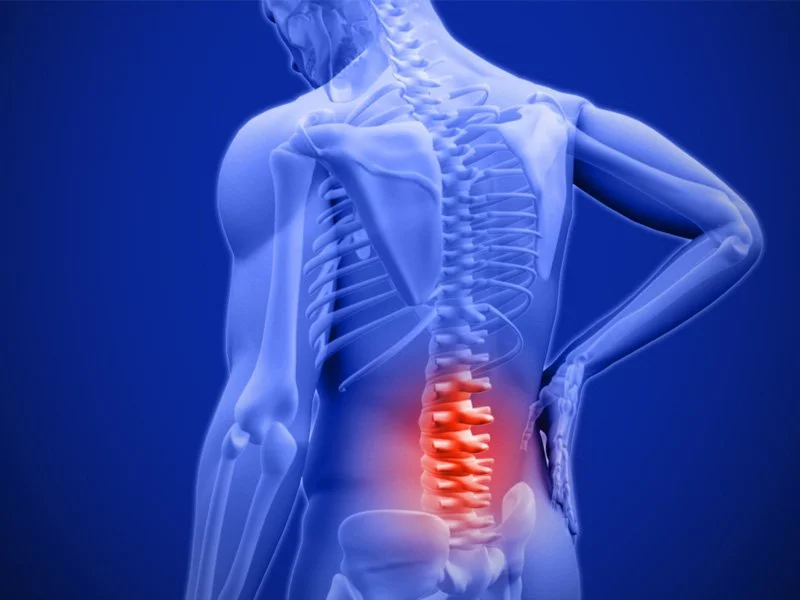
Many factors contribute to pain
Lower back pain after exercise like I describe here may not get better within three weeks. At the time, mine was actually getting better a bit faster, usually, but that was still pretty new to me—it had previously been much worse. Remember: everyone is different.
Pain is influenced by more than just physical factors. Stress, sleep, emotions, beliefs, and past experiences all shape how we feel pain. A 2018 study by Jepma et al. showed that negative expectations can worsen pain, while reassurance can reduce it. This is why two people with identical MRIs can have wildly different pain experiences. If you’ve ever felt your typical back pain after exercise lower its severity on days when you’re well-rested and optimistic, that’s no coincidence. Your body is listening to your entire life story, not just your muscles and joints.
If you’ve ever felt your typical back pain after exercise lower its severity on days when you’re well-rested and optimistic, that’s no coincidence.
Persistent pain overprotects us and prevents recovery
Pain can linger past usefulness, at which point we call it ‘chronic’ or ‘persistent.’ In these cases, the nervous system has become hypersensitive, producing warning signals and sometimes also muscle tension well after an injury has been repaired. Consider a study by Brinjikjiet al. that took spinal MRIs of asymptomatic adults and found that by age 50, a whopping 80% showed doctor-diagnosed disc degeneration. These are regular 50-year-olds, working hard and living active lives with zero pain. Meanwhile, countless people experience lower back pain after exercising and have no structural issue to blame. It’s a car alarm that goes off with the breeze of a passing bike. Unfortunately, persistent pain leads us to limit our movement and reinforces a fear of activity, when in fact movement is often the key to resolution.
There are so many things you can do to reduce pain
The best part? You have options. Movement, education, mindfulness, and shifting your perspective on pain can rewire the system. Moseley and Butler’s work on pain neuroscience education shows that simply understanding pain better can ease symptoms. Movement, especially when approached with self-love, can recalibrate an overprotective nervous system. And don't forget the power of sleep, hugs, and laughter for mental health. It’s about giving your system safe, new experiences—not "pushing through."
Whether you have recurring lower back pain after exercising, whether you have chronic back pain no matter what you do or don’t do (which sucks, I’ve been there, too), or if you have persistent pain elsewhere, pain is pain, and the way it works is consistent across the whole.
Listen. Right now, if you don’t feel quite open enough to fully take in such a new paradigm, that’s okay! Maybe set a reminder and re-read this in a few weeks or months. Why not?
This is a really uncommon and powerful leap to make. If you feel it sinking in, congratulations! Seriously.
Here we are. Forgive me in advance, but I feel it’s fitting to emphasize two very applicable clichés:
knowledge is power,

… and with great power comes great responsibility.
How will you use this knowledge to improve your world?